Luxury Brand Campaign Shoot in Miami
Miami, USAProduction
A fashion campaign at a private waterfront villa — modern lines, the pool and bay in frame, a set the crew controls.
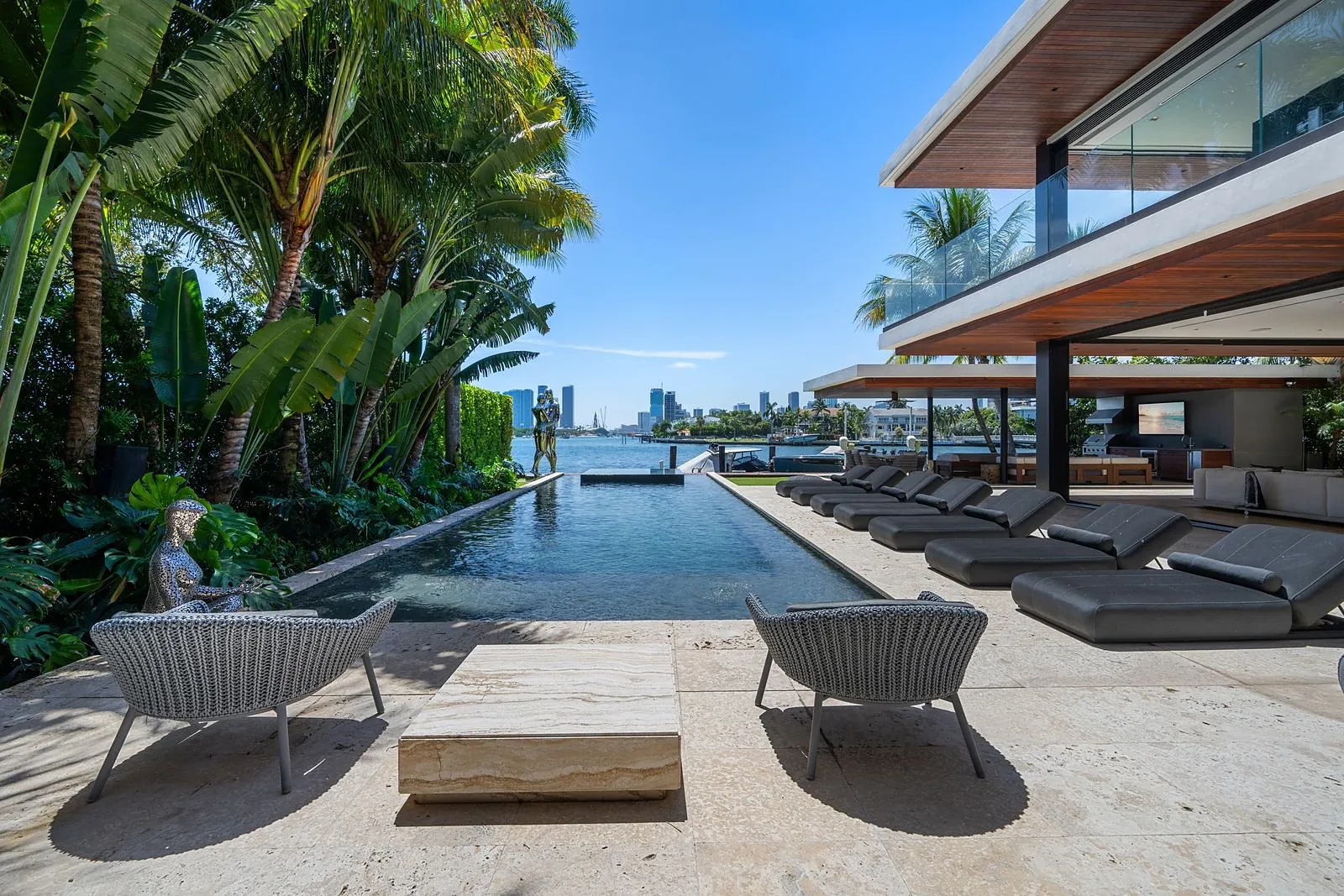
Private modern villas on the water with pools, terraces, and skyline views — scouted for light, angles, crew access, set privacy, and the agreements and permits a shoot needs.
Report overview
Shoot-readiness
Strong for a campaign once a location agreement, access for gear, and the privacy of the set are settled. The look is the draw; the property owner’s terms are the deciding factor.
Best shooting window
Morning or late afternoon for softer light on the pool and terraces; midday sun is hard on skin and white stone.
Main visual opportunity
Clean lines, water, palms, and a skyline across the bay — a ready-made luxury frame.
Biggest production risk
Access and permission. Private homes set their own terms — hours, crew size, protected surfaces — and some shoots also need a city permit.
Location intelligence
Confidence reflects the strength and consistency of available source evidence. Permits, access, and local rules always need confirming before production.
Light
SupportedSunrise, sunset, golden hour, and the sun’s position are calculated from the location and date.
- Check where the sun sits over the pool and the bay at your call time.
- Pale stone and white walls bounce strong light — plan diffusion and flags at midday.
- Deep overhangs give open shade for close-ups even in strong sun.
Camera angles
InferredRead from the kind of architecture and how a waterfront plot is laid out — confirm on a recce.
- The pool’s long axis leads the eye to the water and the skyline.
- Covered terraces and glass walls let you frame inside and outside together.
- An upper-floor balcony, if there is one, gives a high angle over the pool and the bay.
Access
Needs verificationHow a crew and its gear get in is set by the property — confirm before the shoot day.
- Confirm load-in route, parking for trucks, and access through gated streets.
- Ask about floor protection and which surfaces are off limits.
- Check where hair, makeup, and wardrobe can set up.
Privacy
Needs verificationJudged from the kind of site — neighbors, open water, and boat traffic vary by property and by day.
- Waterfront sets can be seen from passing boats and across the water.
- Neighbors may overlook gardens and terraces — check sightlines on the recce.
- Ask whether staff or residents will be on site during the shoot.
Permits
Needs verificationPrivate property needs the owner’s written agreement; the city sets its own rules — confirm both.
- A written location agreement with the owner covers hours, crew size, and liability.
- Shoots with equipment on public streets or the waterfront may need a city film permit.
- Insurance (a certificate of insurance) is commonly requested — confirm early.
Weather
InferredCoastal weather changes fast — check the forecast and plan cover.
- Afternoon showers are common in warm months — schedule key frames early.
- Wind on the water ripples the pool and moves fabric.
- Heat and humidity affect talent and hair — plan shade and breaks.
Production checklist
Before you go
- Sign a location agreement with the owner: hours, crew size, protected areas.
- Check whether any part of the shoot needs a city permit, and arrange insurance.
- Plan the call time around the sun’s position on the pool and the bay.
On arrival
- Protect floors and furniture before gear comes in.
- Walk the sightlines for neighbors and boats before the first frame.
- Set hair, makeup, and wardrobe in the agreed area.
Backup plan
- Rain? Use the covered terraces and interiors agreed in advance.
- Privacy compromised? Reframe toward the house and the garden.
- Light too hard at midday? Shoot close-ups under the overhangs.
Related examples
Scout a location for your production
Describe the shoot, its look, and its constraints — Scout returns real locations, each with its own brief — and a production plan turns the one you approve into a Scout Report.