Product
A location library you return to across shoots.
Group the locations you trust into reusable creative worlds — retained, revisited, and ready the next time a brief calls for them, instead of re-scouting from zero.


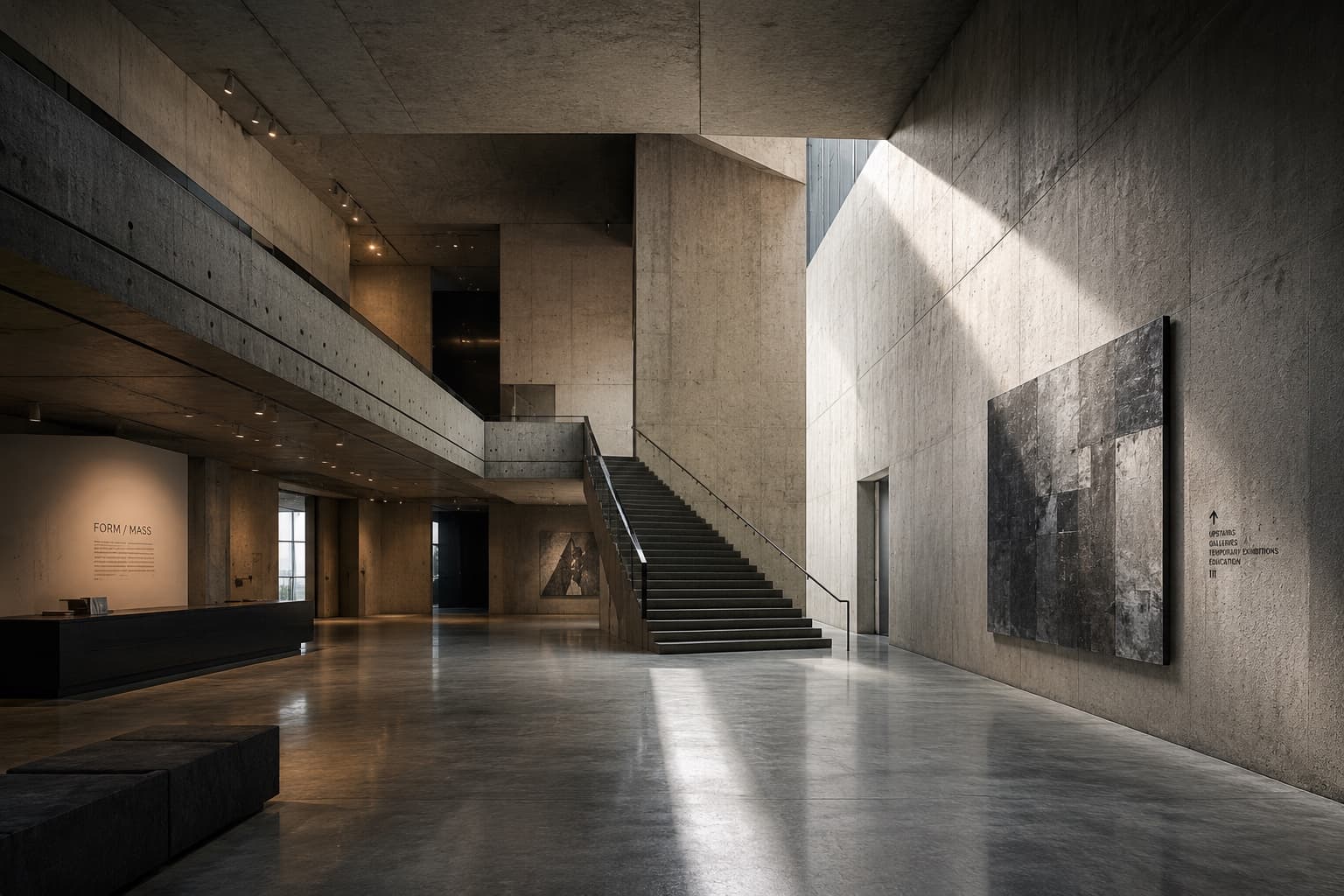
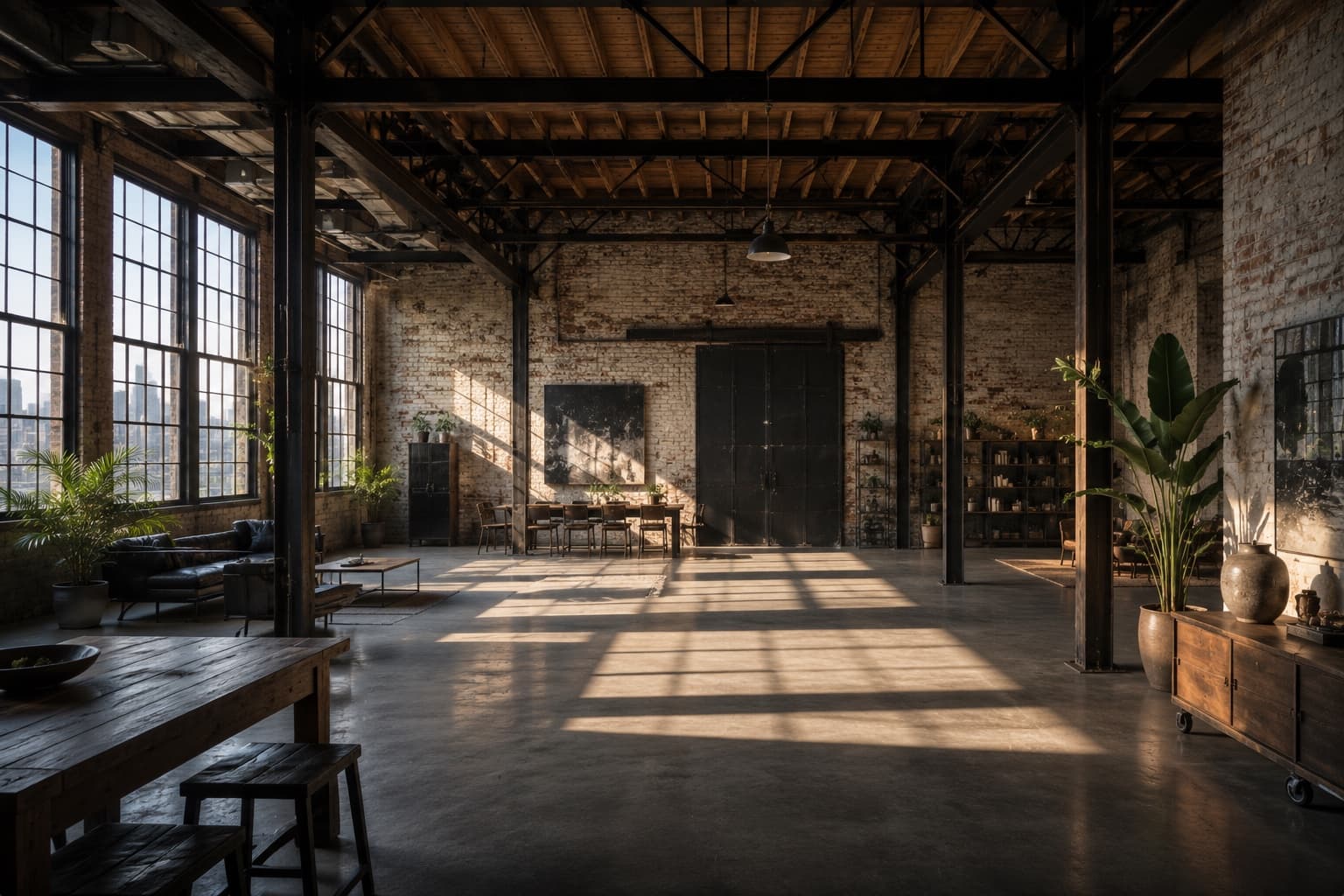
An illustrative collection — the cover collage, best-for genres, signals, and production insight are the real workspace.
More than a folder
Every saved location keeps its production context.
A collection isn’t a grid of images. Each location carries its type, market, visual tags, the note behind it, and whether it’s report-ready — and the collection reads all of it into one library-level intelligence.
Organize by production intent
Worlds, not folders.
Name a collection anything you like. ScoutHalo groups your libraries automatically from what’s inside them — no filing, no taxonomy to maintain.
Creative worlds
Collections with a stated creative direction — a written brief that says what look they deliver.
Production libraries
Ready to reuse, no written direction yet — locations you trust, grouped for the next call.
Recently updated
The worlds you’re actively building surface first, so today’s work is one glance away.
Archive
Worlds at rest — nothing is deleted; every location stays exactly where you left it.
Return ready
Last shoot’s research is next shoot’s head start.
The value compounds. A world you built for one brief becomes the shortlist for the next — so the second time a client asks for “that kind of place,” you’re already most of the way there.
Not a moodboard
Imagery and the reasons it works.
A collection is a titled library with a stated purpose — “Fragrance world · Europe” — not an anonymous board of screenshots.
It reads its own contents: best-for genres, dominant moods and materials, countries, and permit / golden-hour / crowd signals.
Each saved place keeps its notes, tags, and the read behind it — so the image is never separated from why it works.
Into active work
From a world to a production.
A collection is where research rests; a project is where it gets decided. The bridge is one step.
Pull into a project
Add a whole collection’s locations to a project as candidates — the “Add locations” picker reads straight from Collections.
Compare and decide
Those candidates become a comparison set, marked in / hold / out, on the way to an approved primary.
Reports & briefs
From there the project produces a Scout Report and an executive brief for the client.
Who it’s for
Maintain reusable location worlds per client, ready for the next brief.
Build market-specific libraries you can return to instead of re-scouting.
Preserve prior research so a past shoot shortens the next one.
Organize recurring visual references into worlds you actually reuse.
Questions
Collections, answered.
What are Collections for?
Collections turn the locations you trust into reusable, named libraries — a “world” you return to across briefs instead of re-scouting the same kind of place from zero. A collection is more than a folder of images: it carries its own read of what’s inside it.
How are locations organized?
Name a collection anything you like — ScoutHalo groups your libraries automatically from what’s inside them, so there’s no taxonomy to maintain. Each one surfaces its own best-for genres, dominant look and materials, markets, and light or permit signals.
Can Collections support multiple productions?
Yes. A collection is research at rest, not tied to one shoot — the same world can feed several projects, and it shows you how many productions currently draw on it.
What’s the difference between Collections and Projects?
A Collection is a reusable library of locations you return to; a Project is the active decision space for one shoot, where candidates get compared and approved. Collections hold research; Projects turn it into a decision.
Can I reuse saved research?
That’s the point. Pull a whole collection’s locations into a new project as candidates, and each keeps its scout read as it moves — so a world you built for one brief becomes the shortlist for the next.
Where the workflow goes next.
Carry a collection into Projects to decide, and deliver the result as Scout Reports.
Ready to scout?
Describe what you need and begin with a real brief.