Product
Scout Reports. Know whether a place fits before you go.
Every location Scout returns comes with its production intelligence — the light, the access, the filming rules, the crowds, and how to shoot it — so the decision happens at your desk, not on the day.
Light
When the location photographs best, and how the light moves through the day.
Camera angles
Where the frames are — lines, elevation, foregrounds, and what to avoid.
Access
How a crew and its gear actually get in: load-in, parking, routes.
Permits
Where filming needs permission, and what to confirm in writing.
Crowds
The quiet windows — when the location is workable, not fought over.
Weather
What conditions the look depends on, and the fallback when they break.
ScoutHalo is honest about how much it knows — a confident read, a fair estimate, or something to verify on the ground. Judgment never impersonates evidence:
High confidenceMedium confidenceVerify locallySee one in full
Reports are best read, not described.
Three more worked examples — different briefs, different cities, the same intelligence.

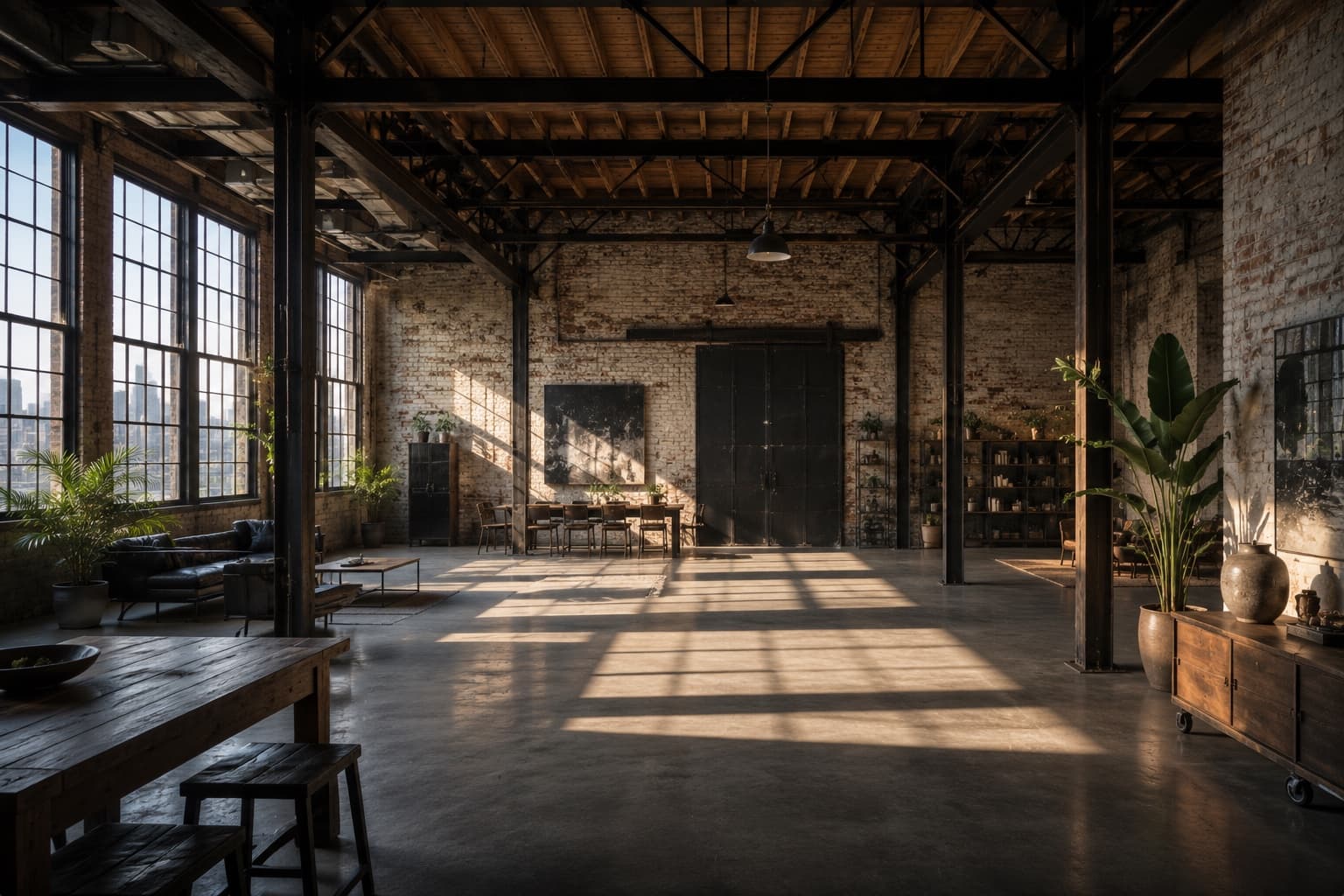

Covers are illustrative; each report demonstrates the intelligence generated from a production brief.
Questions
Scout Reports, answered.
What’s included in a Scout Report?
A Scout Report is the production intelligence behind a location: when it photographs best and how the light moves, where the frames are, how a crew and gear get in, where filming needs permission, when it’s crowded, and what the look depends on in weather. It’s the working notes for shooting a place, gathered before anyone drives there.
How is the production intelligence generated?
Each read is assembled from what’s known about the location and tagged for how sure Scout is. It reports what it can observe, estimates where a fair read is possible, and marks the rest for you to confirm — it never presents a guess as a fact.
What does the confidence indicator mean?
Every read carries one of three tags: high where it’s observed, medium where it’s a fair estimate, and verify locally where you should confirm it on the ground. It’s how a report separates what you can plan on from what still needs a call.
Can reports evolve as research continues?
A report reflects the shortlist as it stands. As you add candidates, mark decisions, and refine a project, the report you generate keeps pace with the current state of the production.
How do reports support production decisions?
A report moves the decision off the day and onto your desk — you can weigh light windows, access, and filming rules before committing a crew, and hand a client a clear read instead of a folder of screenshots.
Where the workflow goes next.
Start the next Scout, or revisit the Projects a report was built from.
Ready to scout?
Describe what you need and begin with a real brief.